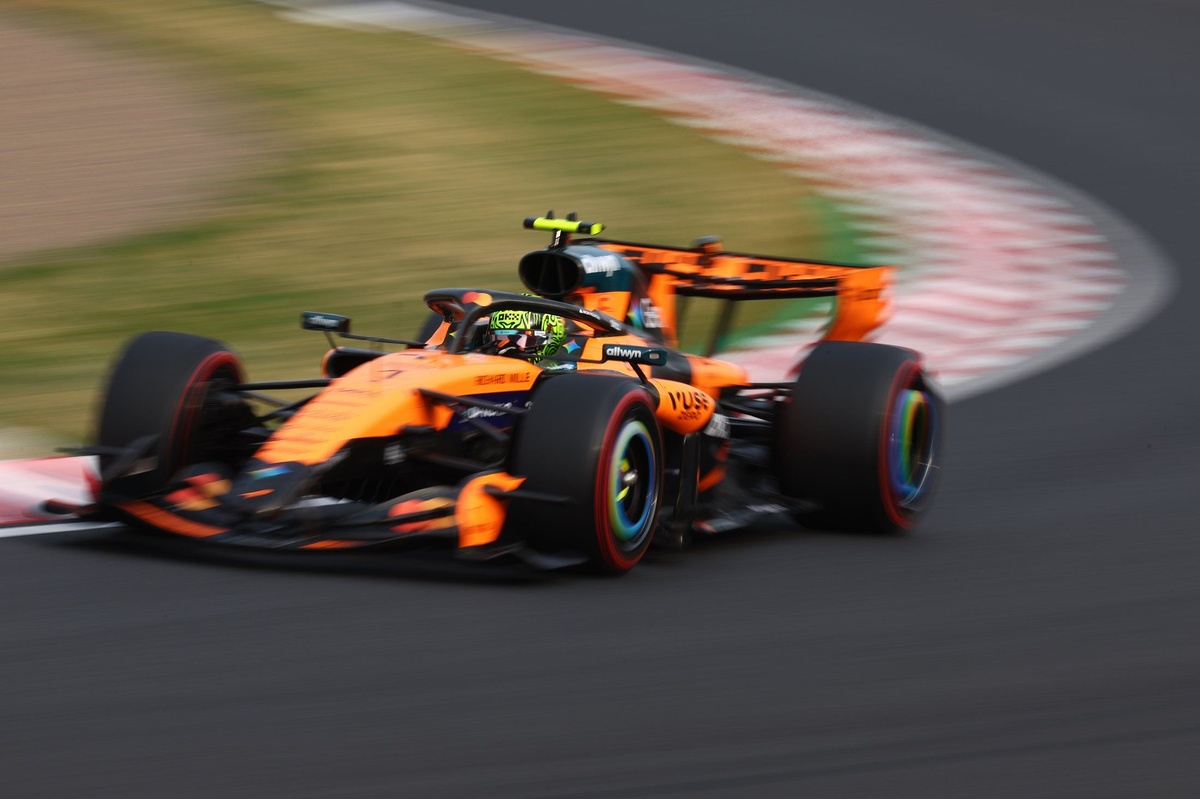
In the ongoing discussions about the future of Formula 1, drivers Lando Norris and Max Verstappen have voiced their concerns regarding the influence of power units in the 2026 season. Both drivers highlighted that the current state of the sport leaves competitors at the mercy of their power units, which significantly impacts race outcomes and driver performance.
Norris, driving for McLaren, emphasized that the reliance on power units has become a dominant factor in racing strategy and results. He mentioned that overtaking and race pace are increasingly dictated by the efficiency and reliability of these components, rather than driver skill alone. Norris stated, "It's not how it should be. Drivers should have more control over their cars, but right now, we're heavily dependent on the power unit's performance."
Similarly, Max Verstappen, the reigning World Champion, expressed his frustrations with the current power unit regulations. He pointed out that the disparity between teams' power units can lead to an uneven playing field, where some drivers are disadvantaged solely due to their power unit's capabilities. Verstappen remarked, "Being at the mercy of the power unit is not ideal. It affects the competitiveness and fairness of the sport."
Both drivers called for a reassessment of the regulations governing power units to ensure a more balanced and driver-focused racing environment. They argued that technological advancements should enhance the sport without compromising the skill and strategy that make Formula 1 exciting.
The debate over power unit influence is part of a broader conversation about the future direction of Formula 1, with many stakeholders advocating for regulations that promote closer competition and more unpredictable races. As the 2026 season approaches, the voices of top drivers like Norris and Verstappen are likely to influence regulatory decisions aimed at restoring the sport's competitive integrity.
In conclusion, Norris and Verstappen's comments reflect a growing concern within the F1 community about the increasing dominance of power units. Their calls for reform highlight the need for a balanced approach that values driver skill and strategic innovation, ensuring that Formula 1 remains a thrilling and fair competition for fans worldwide.